
The car follows the lane, but the steering wheel is tilted several degrees to one side. You straighten it, and the car starts to drift. That mismatch is a reason to check the relationship between the steering position and where the wheels are actually pointing.
Wheel alignment is often involved, especially after an impact or steering repair. Tire condition and worn suspension parts also need to be reviewed. Centering the steering wheel by appearance alone doesn't explain why the position changed.
Front Toe Adjustment Affects Steering Wheel Position
Toe describes how the wheels point inward or outward when viewed from above. The effective length of the tie rods helps set that position. If the wheels are adjusted without the steering correctly centered, the car may track straight while the wheel remains crooked.
An alignment measurement checks the vehicle's relationship, with the steering and suspension set as required. Counting threads during a tie-rod replacement is an assembly aid, not the final measurement. Small differences add up at the steering wheel and across the tire tread over many miles.
Rear Wheel Alignment Influences the Direction the Car Follows
The rear wheels help establish the car's direction of travel. If their thrust direction is off, the driver may hold the front wheels at a compensating angle. Looking only at the front toe can miss that relationship, particularly on vehicles with adjustable rear suspension.
The technician checks all relevant alignment angles and the vehicle's adjustment options. A reading outside specification also needs a reason. A bent part, shifted mounting point, or incorrect ride height may prevent a normal adjustment. The numbers should lead to a repair plan, not repeated attempts to force an angle into range.
A Curb or Pothole Impact Can Move More Than an Adjustment
A hard hit may bend a wheel, tie rod, control arm, strut, or another locating part. The car might still drive, but a new steering angle or tire-wear pattern can reveal that something changed. Not every impact leaves an obvious broken piece under the car.
Describe the event before the alignment begins. Inspect the wheel and tire, then check the steering and suspension. If a part is bent or loose, it should be repaired before the final alignment. Adjusting around damage leaves the car's geometry dependent on a part that isn't in its intended condition.
Worn Bushings Let the Wheel Shift Under Load
A torn control arm bushing or loose joint allows movement as the car brakes, turns, or crosses bumps. Alignment measured while the car is stationary may not hold under those forces. The steering wheel sometimes seems to change position between acceleration and braking.
That pattern is different from a wheel that is consistently off-center. The inspection needs to reproduce the relevant movement under controlled conditions and check the joints that locate the wheel. A new alignment won't fix a loose ball joint or a damaged bushing.
Tire Pull and Road Slope Change What the Driver Feels
Road crown, tire construction, uneven wear, and pressure differences affect the effort needed to maintain a straight path. A driver compensating for a pulling tire may hold the steering at an angle even when some alignment readings are within range.
The tires should therefore be checked for alignment complaints, including hidden inner edges, and for correct cold inflation. A technician can compare road behavior under safe test conditions. Don't attempt hands-off steering tests in traffic or assume every road should require exactly the same steering input.
A Steering Angle Reset Can't Straighten the Mechanical Setup
Some vehicles require steering-angle calibration or initialization after particular alignment or steering work. That electronic reference needs the physical steering position to be correct first. Teaching the computer a new zero around a crooked setup leaves the original geometry problem behind.
The final repair should check:
- Steering wheel and steering-rack center
- Front and rear alignment readings where applicable
- Loose or damaged steering and suspension parts
- Tire condition and pressure
- Required steering-angle procedures
- Road behavior after the adjustments
A new warning after steering work should be reported along with the crooked wheel. The timing helps connect the mechanical and electronic checks without assuming the sensor itself has failed.
Get Wheel Alignment Service in Madison, TN, With Pinnacle Auto Fix
Pinnacle Auto Fix in Madison, TN, can check an off-center steering wheel, uneven tire wear, or a change after an impact or repair. Describe whether the angle stays constant or changes during braking.
Contact us to schedule a wheel alignment and steering inspection.

Learn why a car hood can pop open while driving, what latch problems cause it, and how to respond safely from the team at Pinnacle Auto Fix.
Pinnacle Auto Fix in Madison, TN, explains how often to change transmission fluid in modern automatics.
Learn why clearing a check engine light does not fix the cause and when to visit Pinnacle Auto Fix in Madison, TN for diagnostics.
Pinnacle Auto Fix in Madison, TN, explains cooling system warning signs hidden in leaks, steam, and temperature spikes.

Pinnacle Auto Fix in Madison, TN, explains why brake service is one of the most important vehicle safety repairs.
Pinnacle Auto Fix in Madison, TN, explains common causes of engine stumbling at stoplights and how to fix rough idle issues.
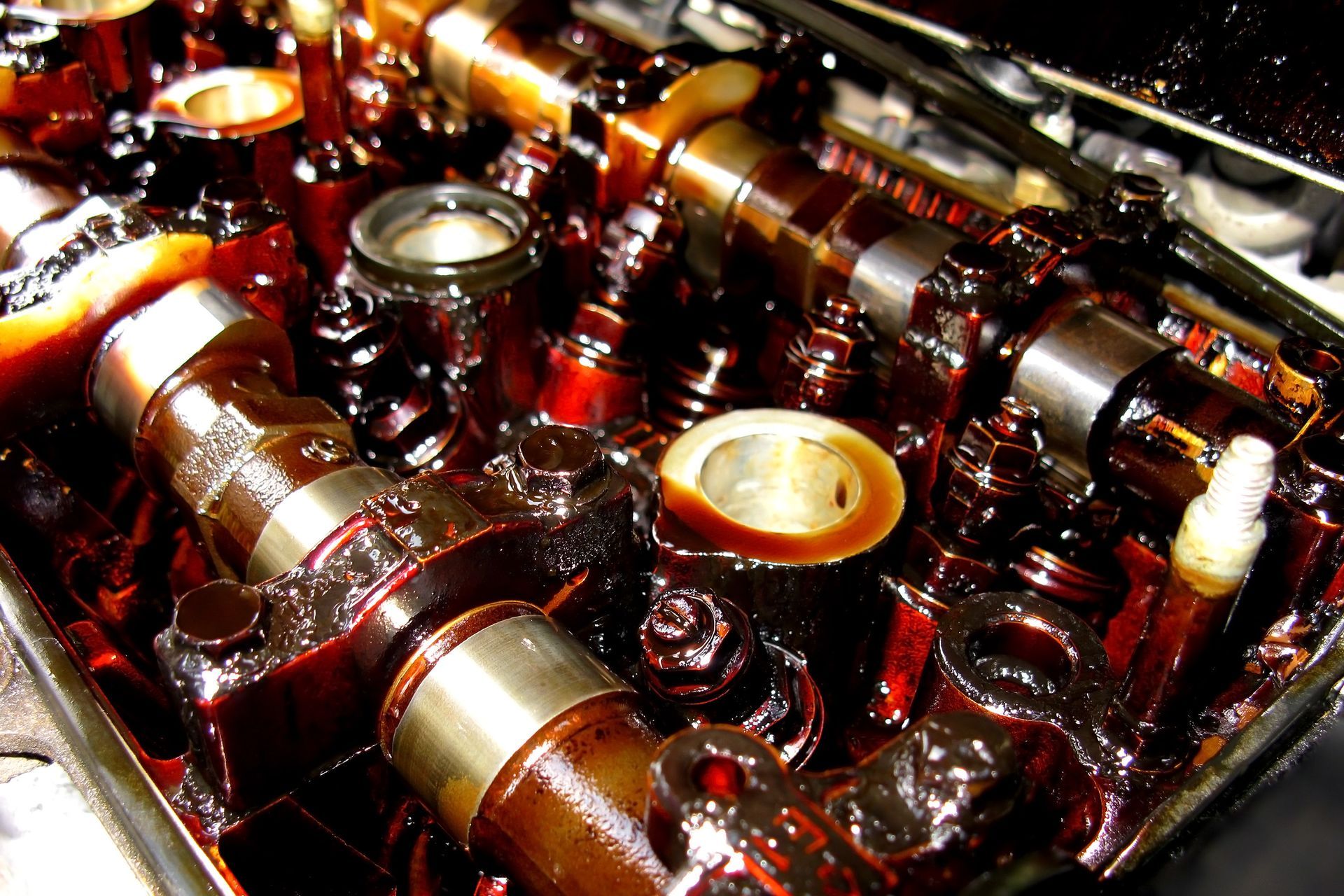
Pinnacle Auto Fix in Madison, TN, explains why skipping an oil change can lead to higher repair costs later.
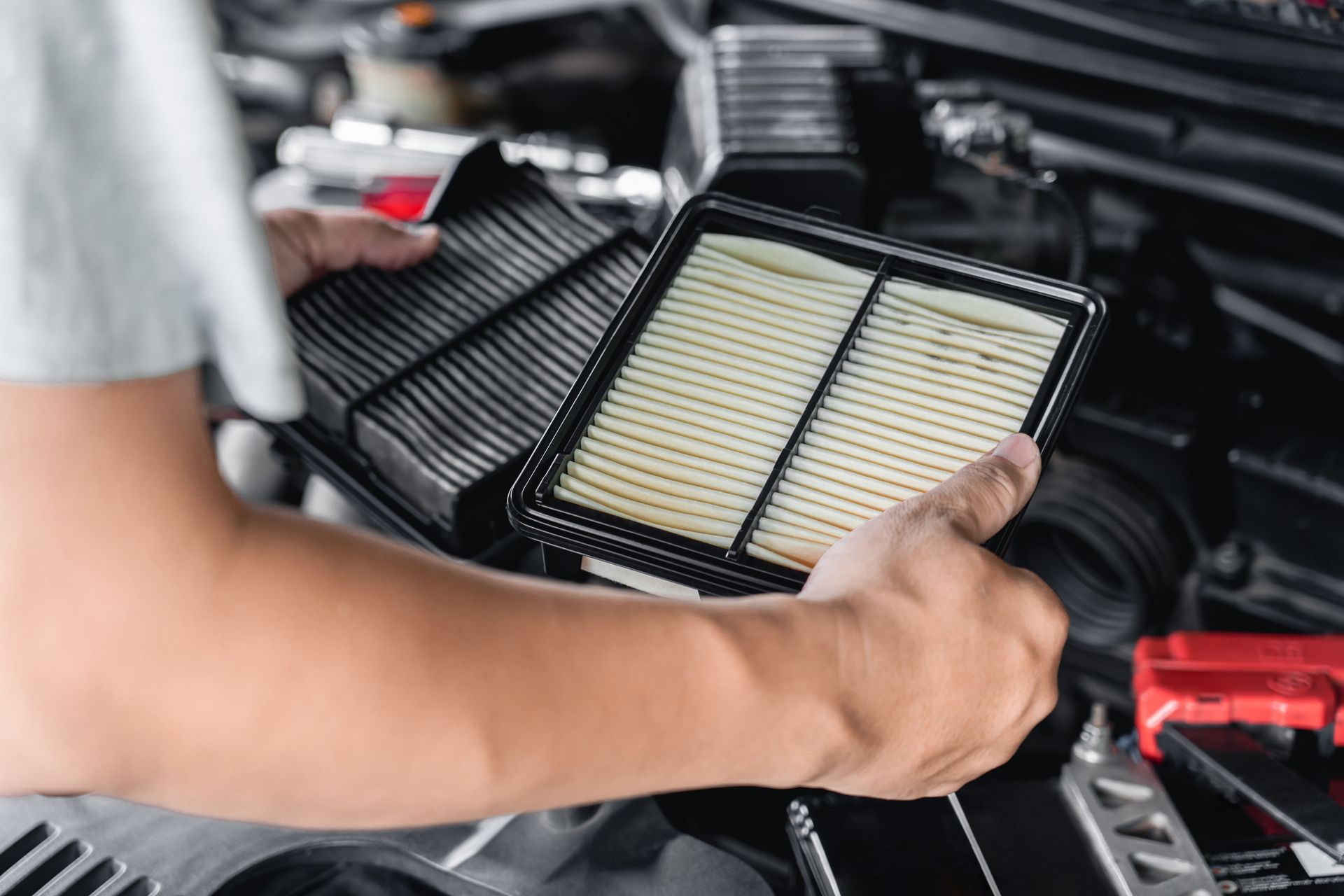
Pinnacle Auto Fix in Madison, TN, explains what happens when an engine air filter and regular maintenance are ignored for too long.